Semrush
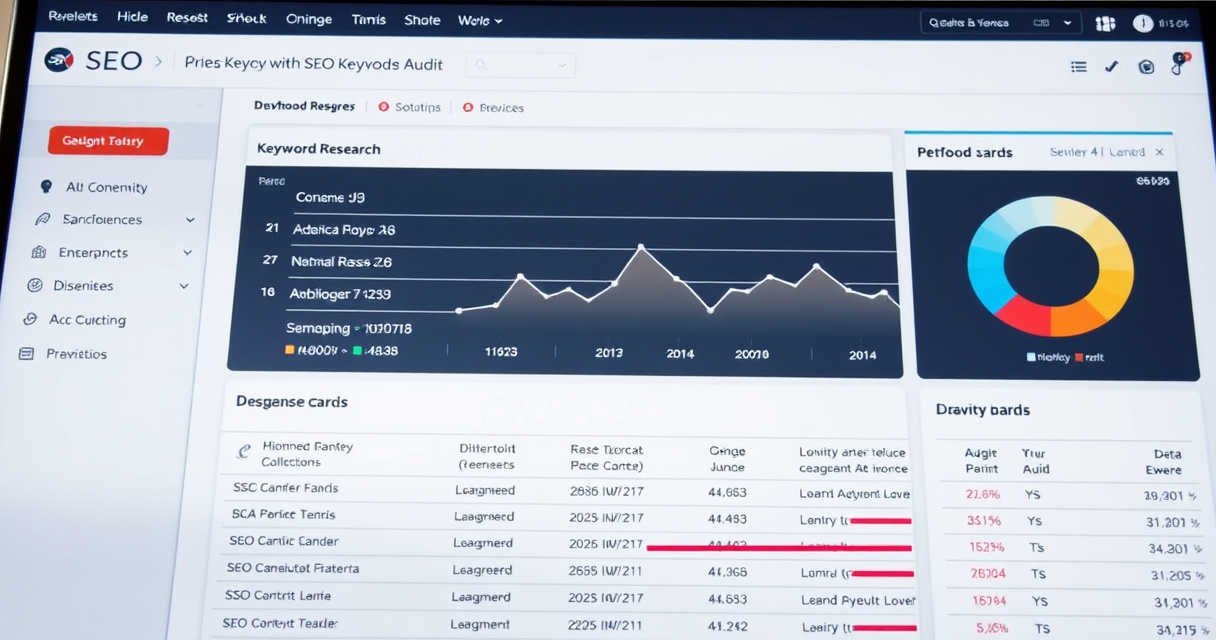
Semrush is an all-in-one SEO and digital marketing platform used for keyword research, competitive analysis, site audits, rank tracking, and reporting.
Key takeaways
- Semrush is a comprehensive SEO suite, not a single-purpose tool.
- Use it for keyword research, competitive analysis, site audits, rank tracking, and reporting.
- Metrics are estimates—always cross-check with real search results.
- Combine multiple modules (keyword + technical + backlink) for actionable insights.
- Start with the free trial and Semrush Academy to reduce the learning curve.
Semrush is a subscription-based platform that combines multiple SEO modules into one interface.
What People Use Semrush For
- Keyword research: Discover high-volume, low-competition keywords and analyze search intent.
- Competitive analysis: Uncover competitors' organic and paid keywords, backlinks, and traffic sources.
- Site audits: Run technical SEO audits to identify crawl errors, broken links, and page speed issues.
- Rank tracking: Monitor daily keyword positions across devices and locations.
- Backlink analysis: Evaluate link profiles, find new link opportunities, and track lost links.
- Reporting: Generate white-label reports for clients or stakeholders.
- PPC research: Analyze competitor ad copy and budgets.
- Content marketing: Use the SEO Content Template to optimize articles for target keywords.
Quick Start: Your First Semrush Workflow
- Create a project: Add your domain and set up tracking for keywords and competitors.
- Run a site audit: Use the Site Audit tool to scan for technical issues.
- Perform keyword research: Use Keyword Overview to get volume, difficulty, and intent data.
- Analyze competitors: Enter a competitor domain in Domain Overview to see their top keywords and traffic.
- Track rankings: Set up Position Tracking to monitor daily changes.
- Export a report: Use the Report Builder to create a client-ready PDF.
When Not to Start Here
- You need a free tool: Semrush's free tier is limited; consider Google Search Console or Google Trends for basic data.
- You only need backlink data: Ahrefs has a larger backlink index.
- You are a beginner with no SEO knowledge: Semrush's dashboards can be overwhelming; start with the Semrush Academy first.
- You need a lightweight rank tracker: Tools like SE Ranking may be simpler and cheaper.
Alternatives to Semrush
| Tool | Best For | Pricing |
|---|---|---|
| Ahrefs | Backlink analysis, content research | Paid, starting at $99/mo |
| SE Ranking | Rank tracking, budget-friendly | Paid, starting at $39/mo |
| Moz Pro | Domain authority, beginner-friendly | Paid, starting at $99/mo |
| Ubersuggest | Keyword ideas, low cost | Freemium, paid from $12/mo |
| SpyFu | Competitor PPC analysis | Paid, starting at $39/mo |
| Similarweb | Traffic estimation, market research | Freemium, paid from $199/mo |
Next step
FAQ
Is Semrush free?
Semrush offers a limited free account with basic features and a 7-day free trial for paid plans. Full functionality requires a subscription.
What is Semrush used for?
Semrush is used for keyword research, competitive analysis, site audits, rank tracking, backlink analysis, and SEO reporting.
How does Semrush compare to Ahrefs?
Can I use Semrush for free?
Yes, Semrush provides a free tier with limited features and a 7-day free trial for Pro, Guru, and Business plans.
Related topics
Sources
- Google Search Central — Best authority for understanding SEO fundamentals, search performance, and how to interpret data around Google Search.
- Semrush Academy — Official training source for learning Semrush workflows, reports, and certification-related material.
- Semrush Help Center — Official documentation for feature behavior, report definitions, and product changes.
- Semrush Blog — Official product and education content for tutorials, use cases, and feature guidance.
- Ahrefs Blog — Widely respected independent SEO reference for comparing Semrush-style workflows and alternative tooling.
Reviewed by Lucía Marín, Founding editor.