SEO Blog
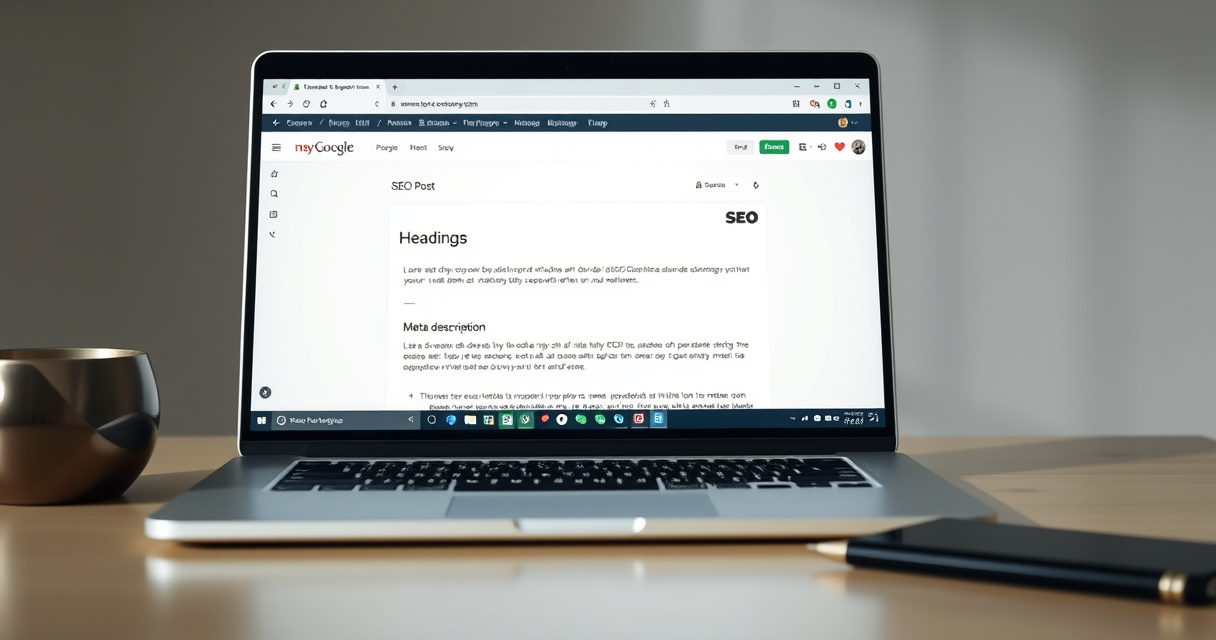
An SEO blog is a website blog section whose posts are planned and optimized to rank in search engines while still answering readers’ questions clearly and usefully.
Key takeaways
- An SEO blog combines useful writing with search optimization to serve both readers and search engines.
- Start with search intent: the post must satisfactorily answer the user's query.
- Use clear structure: descriptive headings, short sections, readable formatting.
- Internal links connect posts into topic clusters, improving crawlability and discovery.
- On-page elements like titles, URLs, meta descriptions, images, and alt text are optimized.
An SEO blog is a scalable way to target search intent, build topical authority, and earn organic traffic from long-tail queries.
Example: Optimizing a Blog Post for "How to Clean Suede Shoes"
- Search intent: Informational – user wants a step-by-step guide.
- Title: "How to Clean Suede Shoes: A Step-by-Step Guide" (includes primary keyword naturally).
- Structure: H2 for each step (e.g., "Brush Off Dirt", "Use a Suede Eraser"), short paragraphs, bulleted supplies list.
- On-page: URL
/how-to-clean-suede-shoes, meta description includes keyword and benefit, alt text on images (e.g., "brushing suede shoes"). - Internal links: Link to related posts like "How to Waterproof Suede Shoes" and "Best Suede Protector Sprays".
- Result: The post ranks for the query and earns organic traffic while providing clear, actionable advice.
Quick Start: How to Write an SEO Blog Post in 5 Steps
- Research search intent: Use tools like Semrush or Google Trends to find queries your audience searches for.
- Choose one main topic per post: Focus on a single search intent to avoid confusion.
- Write a clear, keyword-rich title and URL: Include the primary keyword naturally.
- Structure with descriptive headings (H2, H3): Break content into scannable sections.
- Optimize on-page elements: Write a compelling meta description, add alt text to images, and include internal links to related content.
How to Judge If Your SEO Blog Post Is Well-Optimized
- Does the title match the search intent? The post should answer the user's query directly.
- Is the content structured with clear headings? Users and search engines should easily scan the page.
- Are keywords used naturally? Avoid keyword stuffing; focus on relevance and readability.
- Are internal links present? Connect to other relevant posts or pages on your site.
- Are images optimized? Use descriptive file names and alt text.
- Is the meta description compelling? It should summarize the post and encourage clicks.
Common SEO Blog Mistakes
- Writing for keywords first, users second: Produces thin or awkward content instead of helpful answers.
- Targeting too many topics in one post: Dilutes focus and confuses search intent.
- Weak structure: Missing headings, long walls of text, or unclear URLs.
- Ignoring internal links: Missed opportunity to build topic clusters and improve crawlability.
- Neglecting on-page elements: Skipping meta descriptions, alt text, or freshness updates after publication.
Next step
FAQ
What is an SEO blog?
An SEO blog is a section of a website where posts are written and optimized to rank in search engines while providing useful information to readers.
How do I start an SEO blog?
Choose a niche, research keywords with search intent, create a content plan, write optimized posts, and promote them.
What is the difference between a blog and an SEO blog?
A regular blog may not consider search engines, while an SEO blog is intentionally optimized for ranking and user intent.
Related topics
Sources
- Google Search Central SEO Starter Guide — Primary guidance on user-focused content, crawlability, metadata, and technical basics.
- Google Search Central — Official documentation for indexing, content discovery, and SEO best practices.
- Semrush Blog SEO Guide — Practical explanation of blog SEO structure, intent, and authority-building.
- Backlinko Blog SEO Guide — Widely cited tactical reference for blog SEO fundamentals and on-page optimization.
Reviewed by Lucía Marín, Founding editor.